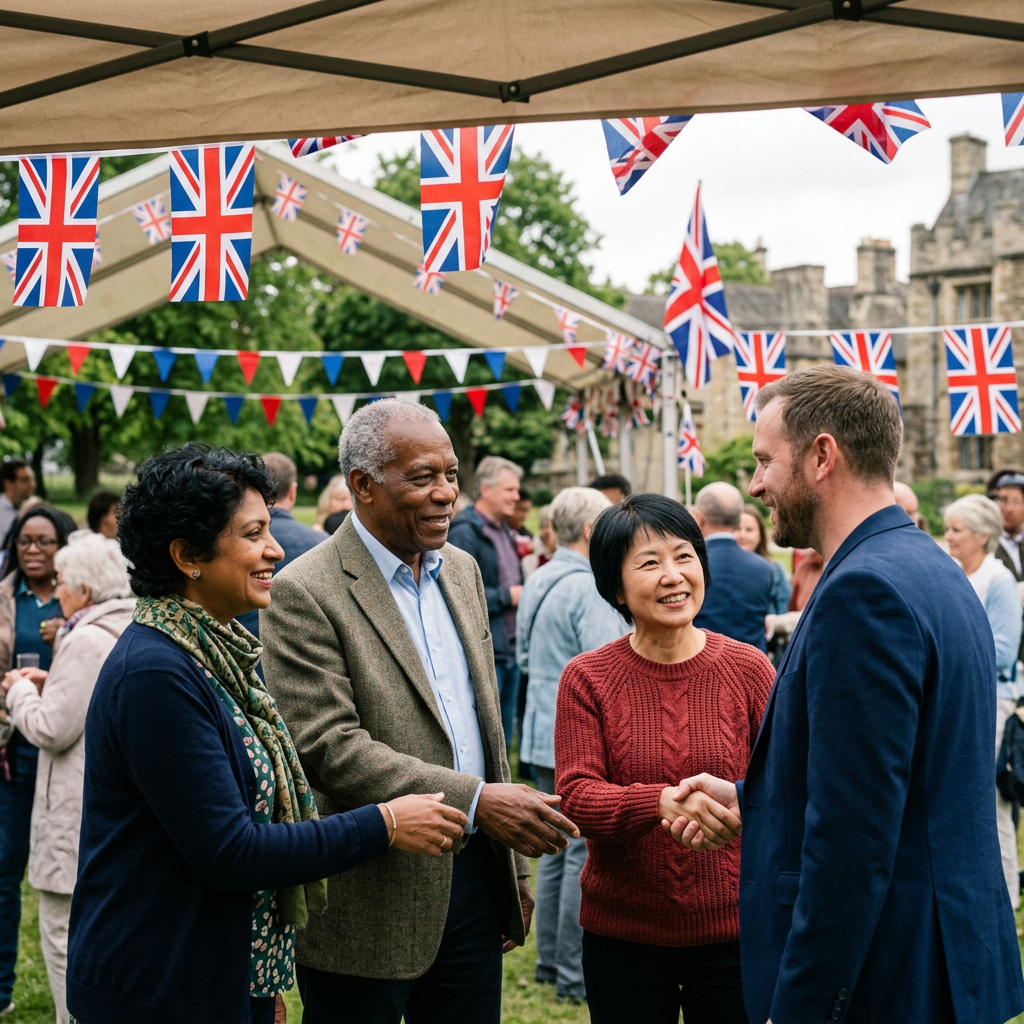
Modern liberal democracies tend to treat citizenship as a thin, mostly administrative status — a passport, a legal identity, and a bundle of rights that can often be acquired with minimal integration. In my Civic Republicanism, citizenship is something deeper. It is a reciprocal civic relationship that unites political membership, social solidarity, and shared responsibility. It is not exclusionary, but it is meaningful. It is not automatic, but it is realistically attainable. It is what I call thick citizenship.
Citizenship as Reciprocal Belonging
Citizenship is not simply residency plus paperwork. It is a civic bond grounded in contribution, loyalty, and belonging. Political rights and long‑term solidarity rights are united: the full social safety net is reserved for citizens, while emergency services remain available to everyone. Solidarity is a mutual obligation among members of the civic community.
Thick citizenship also includes competence‑based rights to self‑defence, including lawful access to appropriate equipment, and an expectation of involvement in local and national service — civil defence units, home‑guard style organisations, and other forms of civic preparedness.
Naturalisation: Open, Realistic, but Not Automatic
Naturalisation is possible and realistically available to long‑term residents — but it is not an automatic entitlement. It is a civic decision made by the host community.
Applicants must demonstrate:
- at least 10 years’ residence,
- financial independence,
- good behaviour,
- high‑level literacy and language skills,
- citizen sponsors,
- and an oath or affirmation of loyalty and contribution.
A citizens’ jury assesses each application, reflecting the principle that membership is granted because the community wants the applicant and pledges to help protect and integrate them.
Transmission of Citizenship
Citizenship normally passes to:
- children born to citizens in the country, or
- children born abroad who later reside in the country for at least 5 years (otherwise the right remains latent).
To avoid retrospective injustice, all persons born in the UK before 1950 are presumed citizens by long‑standing connection.
Guests: Protection and Responsibility
Non‑citizens who are lawfully present — guest workers, international students, and refugees under temporary protection — are considered guests of the republic. Guests enjoy:
- the full protection of the law,
- emergency services,
- contribution‑based benefits,
- and a constitutional duty of protection from abuse and exploitation.
But thick citizenship also requires reciprocal obligations. Guests must obey the law, be truthful in dealings with public authorities, seek work and contribute financially within their ability, and respect the culture and traditions of the civic community. Because political stability and diplomatic neutrality matter, guests may not campaign on behalf of foreign governments, political parties, or overseas causes without permission.
Entry Criteria and Safe Routes
There is no presumption in favour of family reunification. Apart from natural children, all entrants — including foreign spouses — must meet the same criteria:
- language and literacy competence,
- high‑school education (with preference for graduates),
- financial independence,
- and security vetting.
A safe and legal asylum route exists for close relatives of UK citizens who face danger in their homeland. Applications are made from abroad, subject to full vetting and civic‑compatibility assessment. Protection is humanitarian; membership is civic.
Displaced Persons and Safe Havens
The republic takes a fair share of internationally displaced persons — but directly from areas where they are in immediate danger. The presumption is that we should help create safe havens and protected zones overseas, rather than relocating large numbers of people into the country. Temporary protection does not automatically lead to permanent settlement, though long‑term residence may open a path to naturalisation.
A Meaningful Form of Membership
Thick citizenship is not about exclusion. It is about meaningful inclusion — ensuring that membership in the civic community is reciprocal, integrated, and grounded in contribution. It ties rights to responsibilities, solidarity to belonging, and political membership to the shared stewardship of the common good.
It is citizenship not as a consumer good, but as a civic relationship.


Leave a Reply