Author: Philip Anderson
-
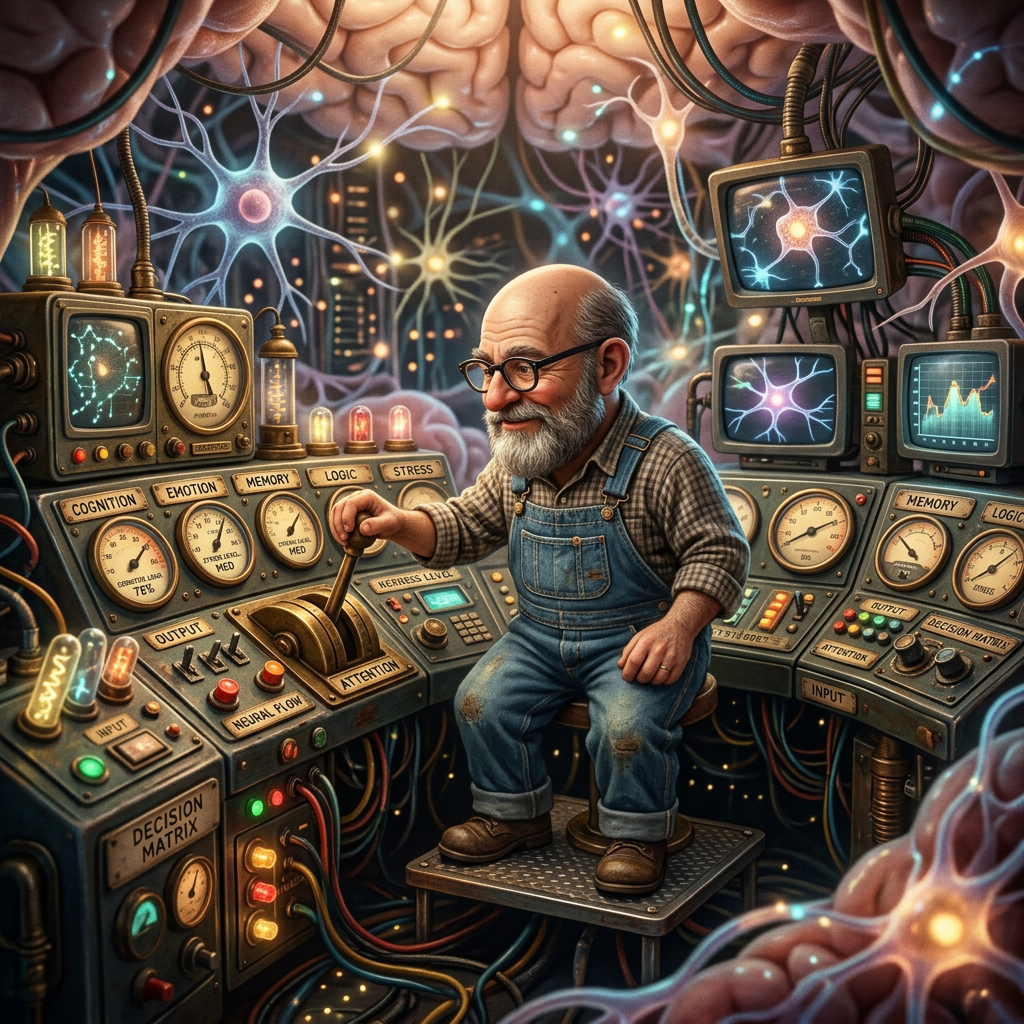
The Ghost in Every Machine
There is an essay I have wanted to write for years. The trouble is that the topic keeps expanding. It begins with the old philosophical idea of the “Ghost in the Machine”, Gilbert Ryle’s phrase for the imagined little self living inside the mind, pulling the levers and making decisions. The tiny homunculus sitting in…
-

Autumn Reflections
The middle of October is here, but we’ve enjoyed a few weeks of fine, dry weather. However it has now become very evident that the days are growing much shorter and cooler, especially when I have to head off to work at 6.30 in the morning. Outside of work, it feels like a time to…
-
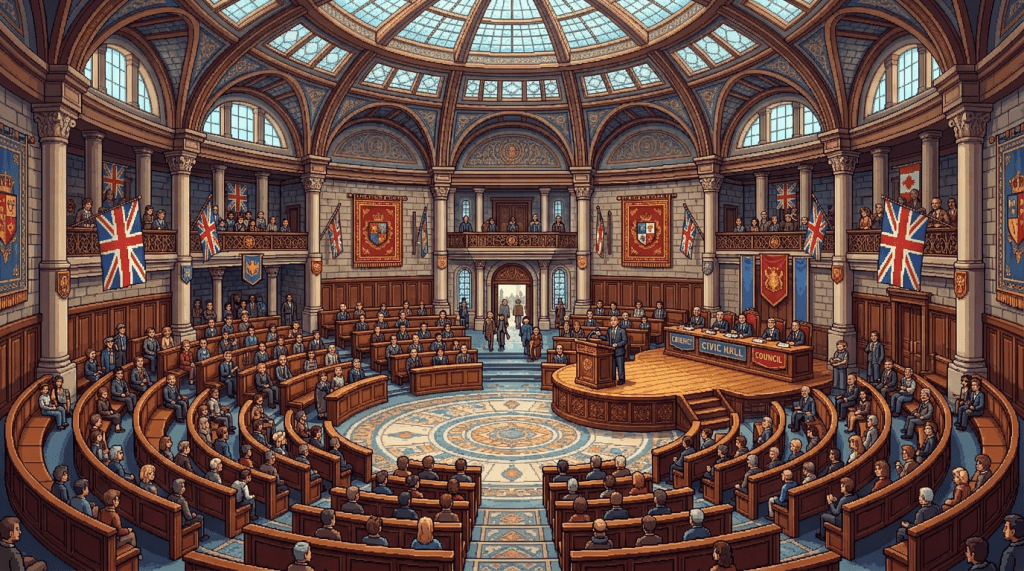
Twenty Reflections on Nationhood, Citizenship and Continuity
In recent months, various public figures on the British Right have attempted to dissect the meaning of Britishness and Englishness, and what political significance these identities ought to have. Beneath the disagreement lies a surprisingly difficult question: are these identities primarily matters of citizenship, ancestry, culture, history, or some combination of all four? At one…
-
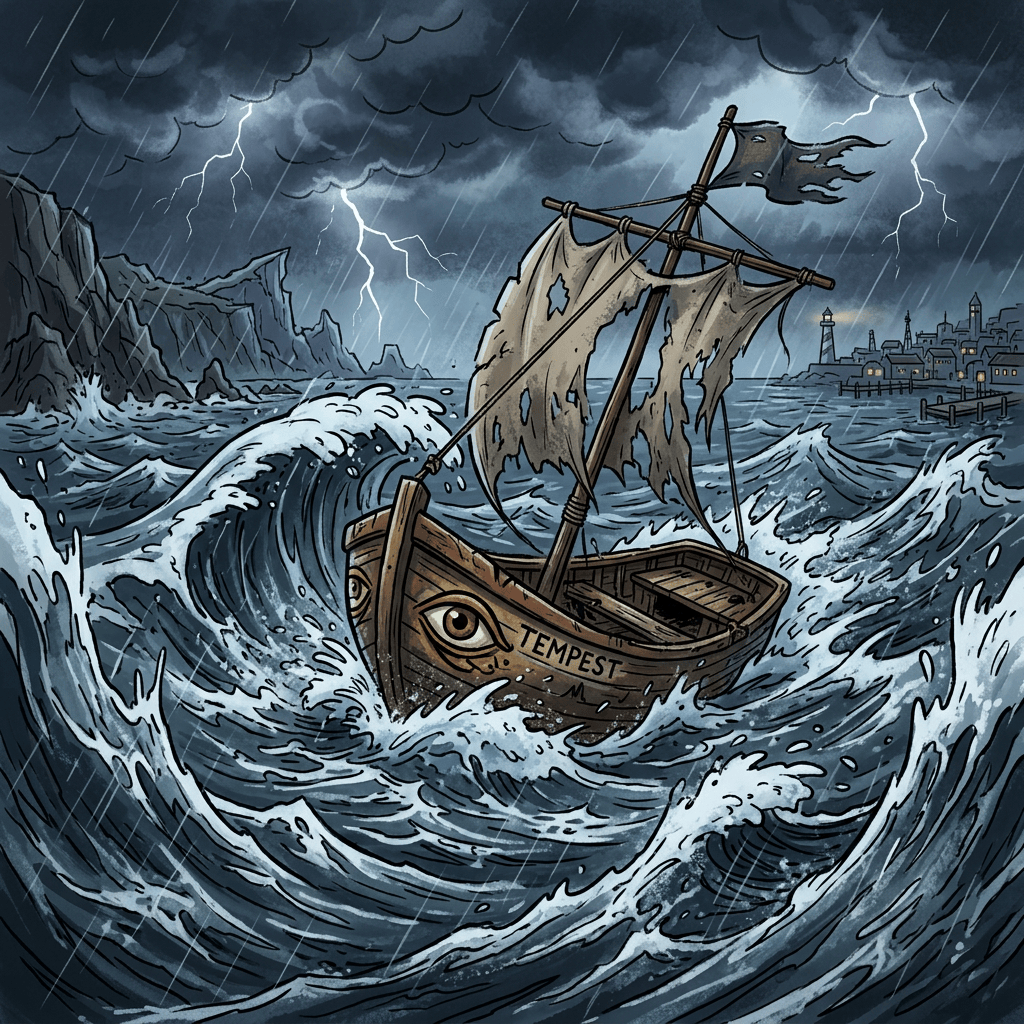
Little Boat in a Storm
On Resilience, Anxiety, and Not Running Aground At the time of writing, my ordinary working life is passing through a period of instability. The details are less important than the general experience. A career setback, a period between jobs, uncertainty about the future, or the collapse of a carefully constructed plan all produce a similar…
-
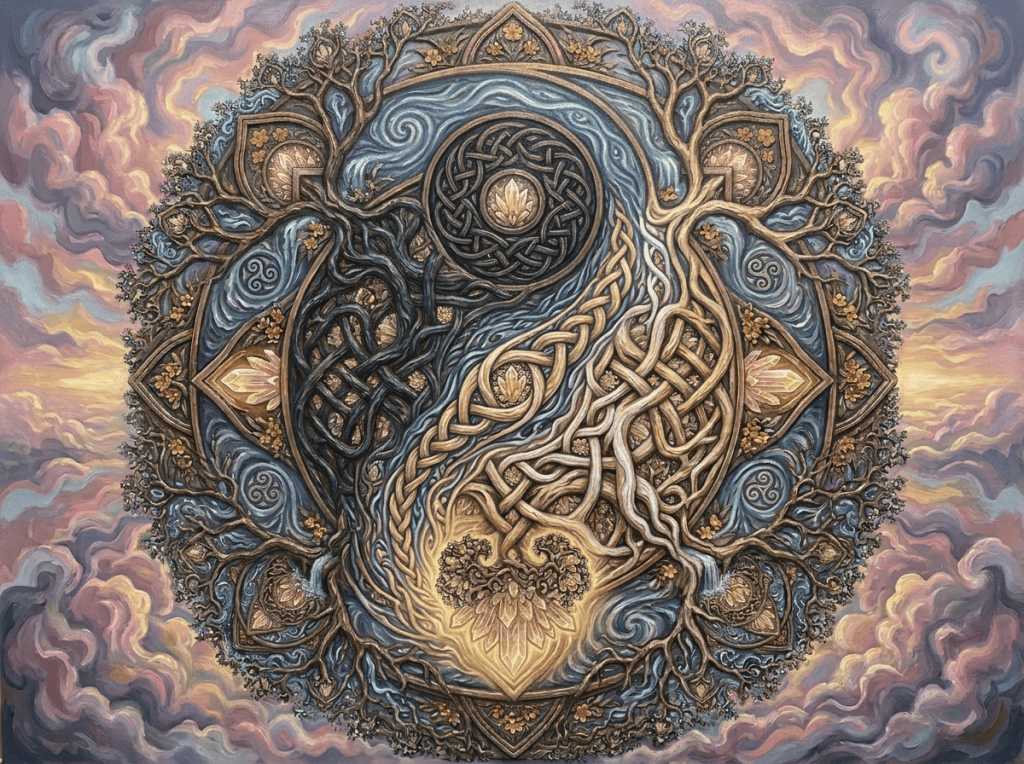
Reflections on the Great I AM
Being, Isness and Suchness: Towards a Relational Ontology Introduction Western philosophy has traditionally begun with the question: Why is there something rather than nothing? Yet this question assumes that “nothing” is a genuine possibility. It may not be. If non-being is incoherent, then Being is unavoidable. The question becomes not why Being exists, but how…
-
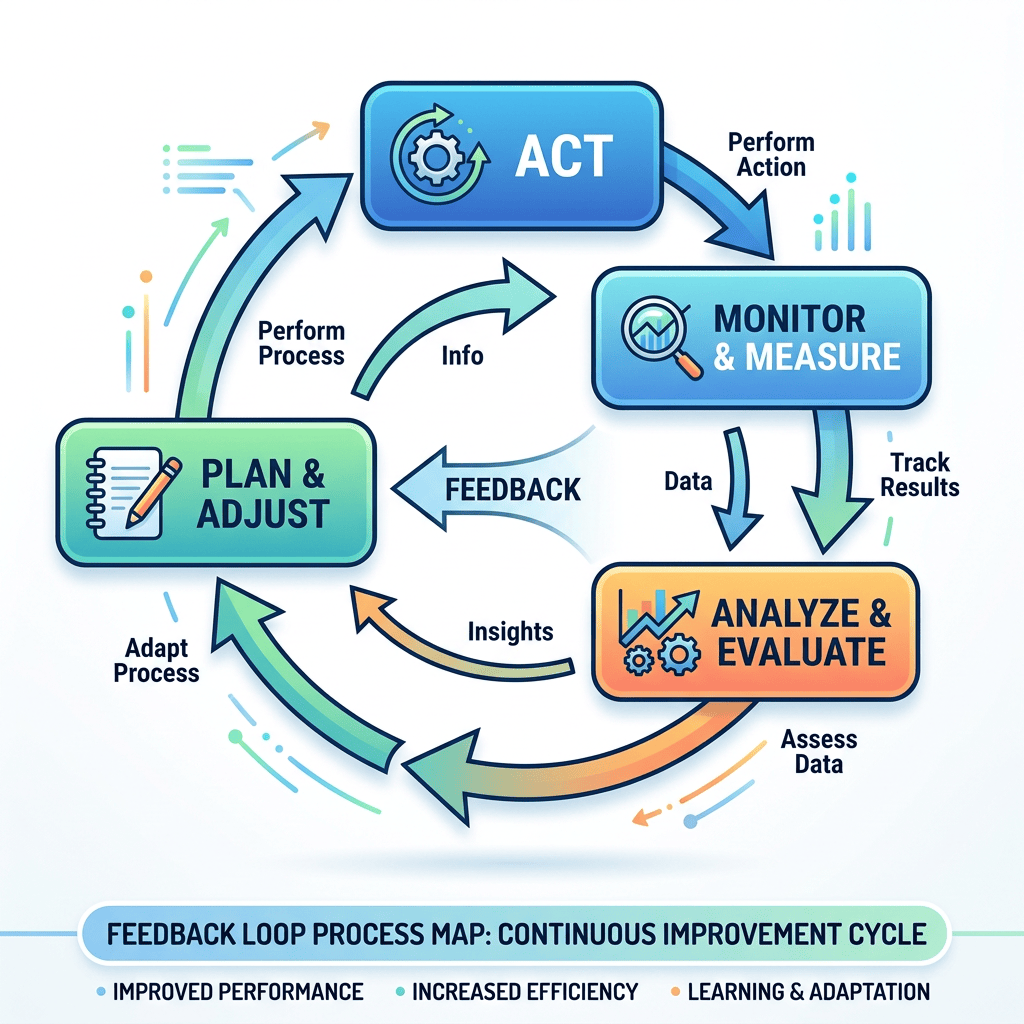
Dynamic Stability: A Political Theory of Homeostasis
Introduction Political philosophy often searches for the ideal society or final political settlement. Whether in utopian socialism, liberal “end of history” narratives, or projects of national restoration, there is frequently an implied assumption that history is moving towards a final condition of stability. Yet neither history nor human experience suggests such an endpoint exists. A…
-

The Ball Is In God’s Court
In my previous post, I described a conclusion that took many years to reach. The metaphysical ladder I had spent so long climbing does not top out in a personal deity. Natural theology, philosophy and mysticism may lead to an ultimate reality. They may lead to the Ground of Being, the Absolute, the One or…
-

The Ladder Doesn’t Reach God
For much of my adult life, I assumed that philosophy and theology ultimately pointed in the same direction. As my confidence in evangelical Christianity declined, I did what many intellectually inclined believers do: I went looking for firmer foundations. I was never persuaded by reductive materialism. Consciousness seemed too strange, existence too mysterious, and the…
-

The Identity Cake
British identity is a cake long in the making. One of the oddities of contemporary Britain is that everyone seems happy to acknowledge the existence of Welsh identity, Scottish identity or Irish identity, but many become noticeably uncomfortable once the same discussion turns to the English. My own starting point is fairly straightforward. I think…
-
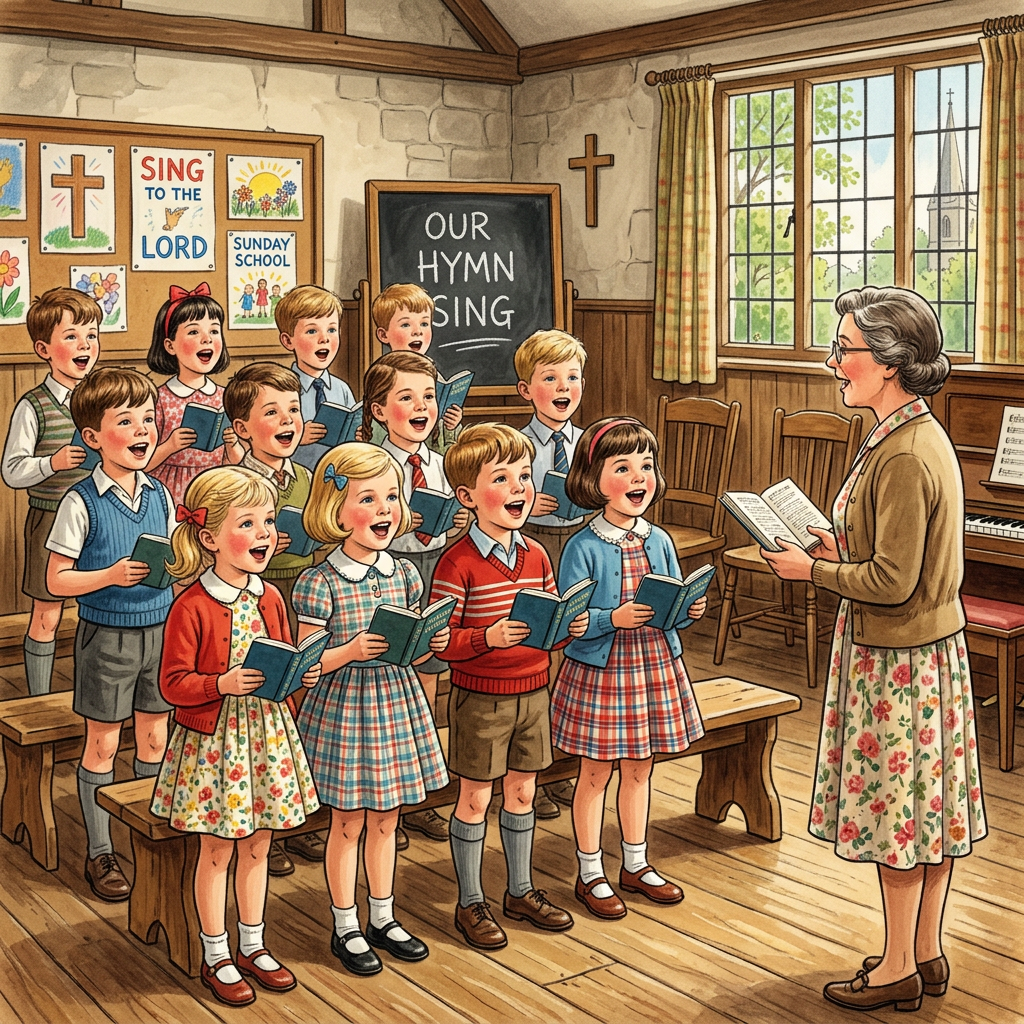
A Sunday School Song
A curious thing happened recently. A Sunday School chorus escaped containment. After lying dormant somewhere in the deeper recesses of my mind for several decades, it suddenly resurfaced and began repeating itself without invitation: Jesus died for all the children,All the children of the world… Readers of a certain evangelical vintage may recognise it. Of…

