Category: Civic Forum
-
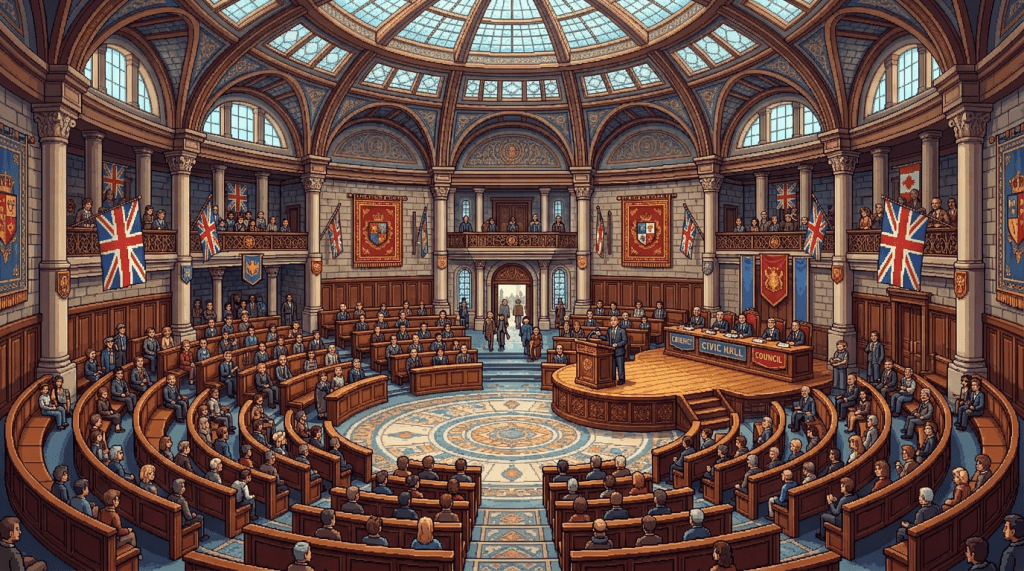
Twenty Reflections on Nationhood, Citizenship and Continuity
In recent months, various public figures on the British Right have attempted to dissect the meaning of Britishness and Englishness, and what political significance these identities ought to have. Beneath the disagreement lies a surprisingly difficult question: are these identities primarily matters of citizenship, ancestry, culture, history, or some combination of all four? At one…
-

Dynamic Stability: A Political Theory of Homeostasis
Introduction Political philosophy often searches for the ideal society or final political settlement. Whether in utopian socialism, liberal “end of history” narratives, or projects of national restoration, there is frequently an implied assumption that history is moving towards a final condition of stability. Yet neither history nor human experience suggests such an endpoint exists. A…
-
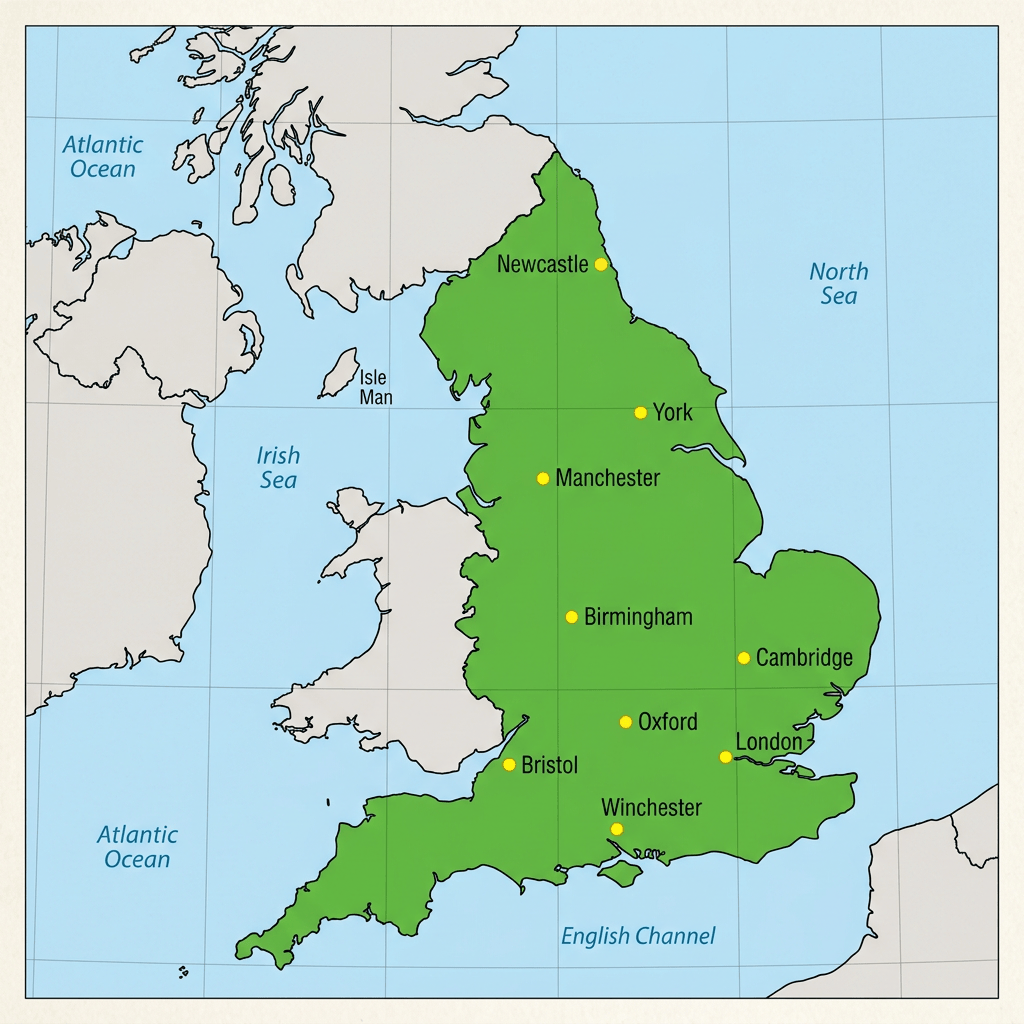
Federal Britain: Solving the English Question
The greatest obstacle to a genuinely federal United Kingdom has never been Scotland, Wales or Northern Ireland. It has always been England. England contains the overwhelming majority of the UK’s population, economic activity and political weight. Any federal system built around England as a single unit would quickly become an English federation in all but…
-

The Right Needs a Red Line
Every successful political tradition knows where it ends. A movement that cannot define its own boundaries eventually has those boundaries defined by its most radical supporters. The modern Right is no exception. The debate is not whether a right-wing party may advocate lower immigration, stronger borders, stricter citizenship, greater assimilation, or a more confident national…
-

Extraordinary Demands Require Extraordinary Justifications
Who Can Ask Free Citizens to Fight? As discussion grows about rearmament, military preparedness and the possibility of future conflict, an awkward question confronts Britain. Who can legitimately demand extraordinary sacrifice from free citizens? For generations Britain relied upon assumptions that no longer seem secure. Citizens broadly trusted Parliament, accepted unwritten constitutional conventions, and believed…
-

Towards a Stakeholder Republic: Some Thoughts on Government as Mandate Rather Than Sovereignty
This is a work in progress and intended for discussion rather than as a finished constitutional proposal. Modern democracies often speak of “popular sovereignty”, yet in practice sovereignty is usually exercised through institutions such as parliaments, governments, courts and bureaucracies. Over time, these institutions can come to be viewed not merely as instruments of the…
-

The State, the Nation, and Stewardship
Much political discussion becomes confused because it treats the state and the nation as the same thing. They are not. The state is an institution. Its legitimacy comes from the functions it performs. It exists to protect life, liberty and the conditions necessary for human flourishing. It maintains order, administers justice, secures borders and provides…
-

On Nationalism
Nationalism has acquired a bad reputation. To some people it means xenophobia, ethnic exclusivity or hostility to outsiders. To others it means little more than patriotism. Neither understanding is quite correct. George Orwell drew a useful distinction between patriotism and nationalism. Patriotism is love of one’s country and way of life. Nationalism, by contrast, becomes…
-
A Theory of Limited Foreign Policy
Introduction In my earlier essay I argued that government is not sovereign but a delegated authority. Its legitimacy derives from a limited number of functions that require collective action, including security, dispute resolution, basic infrastructure, and certain public goods supported by broad consensus. The same principles must apply to foreign policy. The mere existence of…
-

A Theory of Limited, Delegated Government
First Principles 1. The individual is the primary moral unit Moral duties arise first from concrete relationships: to one’s children; to one’s parents; to one’s spouse or partner; to those with whom one has freely entered agreements. Government does not create these duties. They exist prior to government. 2. Individuals owe one another non-aggression and…

