Category: Civic Forum
-

Civic Republicanism for a Post‑Homogenous Britain: Power Down, Not Out
If my last post argued that ethno‑nationalism is a dead end, this one explains the alternative: a civic‑republican Britain built on local self‑government, regional autonomy, and a minimal central state. In other words, a Britain that stops trying to force one cultural model onto 67 million people and instead lets communities govern themselves within a…
-
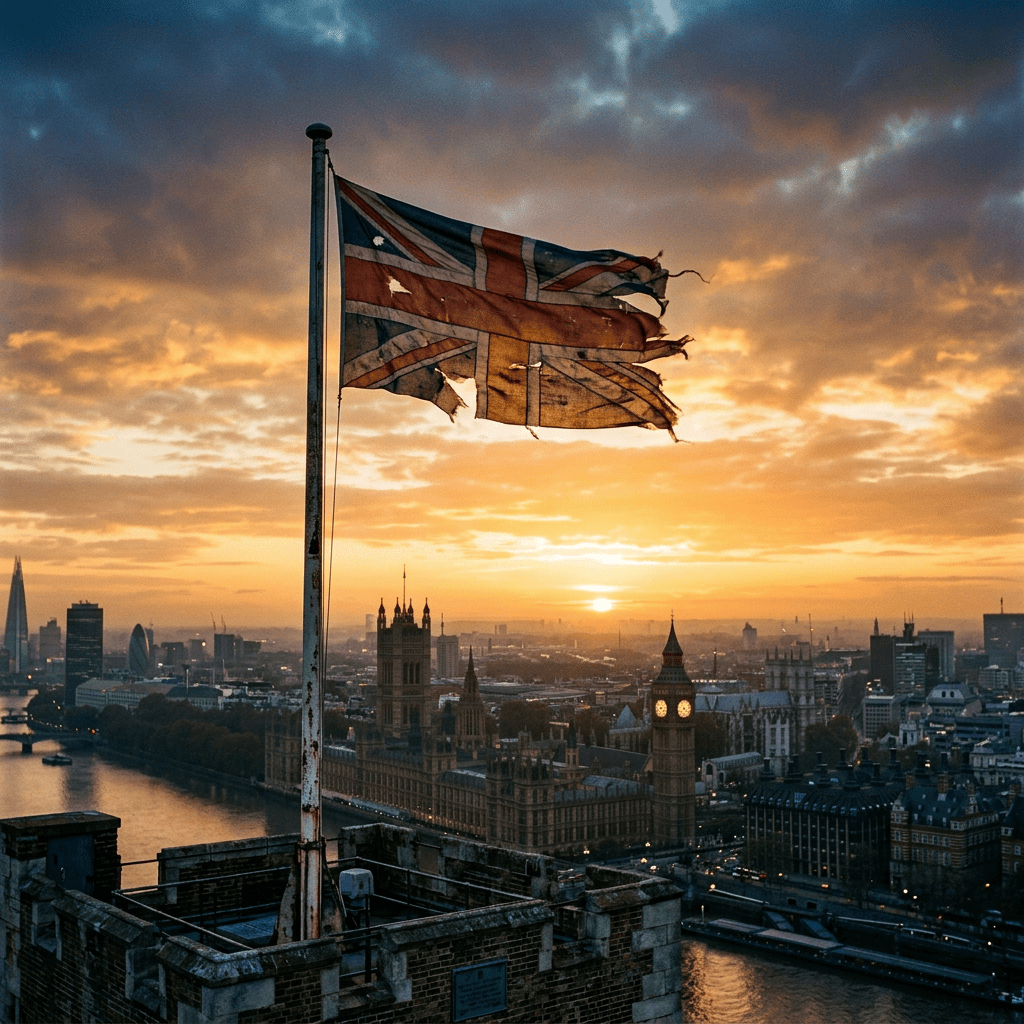
Tragic Pragmatism: Navigating Modern Britain
There is a quiet grief that many Britons carry, though few feel comfortable speaking it aloud in polite company. It is the realization that the country we inherited—or the one our parents and grandparents built—has fundamentally ceased to exist. Between 1948 and the mid-2020s, a quiet revolution took place. Through a mix of post-war corporate…
-

The Nation as an Operating System — and Why Tolerance Is Enough
Most of my adult life has been spent inside institutions: corporations, trade unions, chapels, clubs, political parties. Each had its own rules, officers, expectations, and rituals. Each was, in effect, an interest group — a collection of individuals and families coordinating their behaviour under a shared operating system. Eventually I realised that the nation is…
-
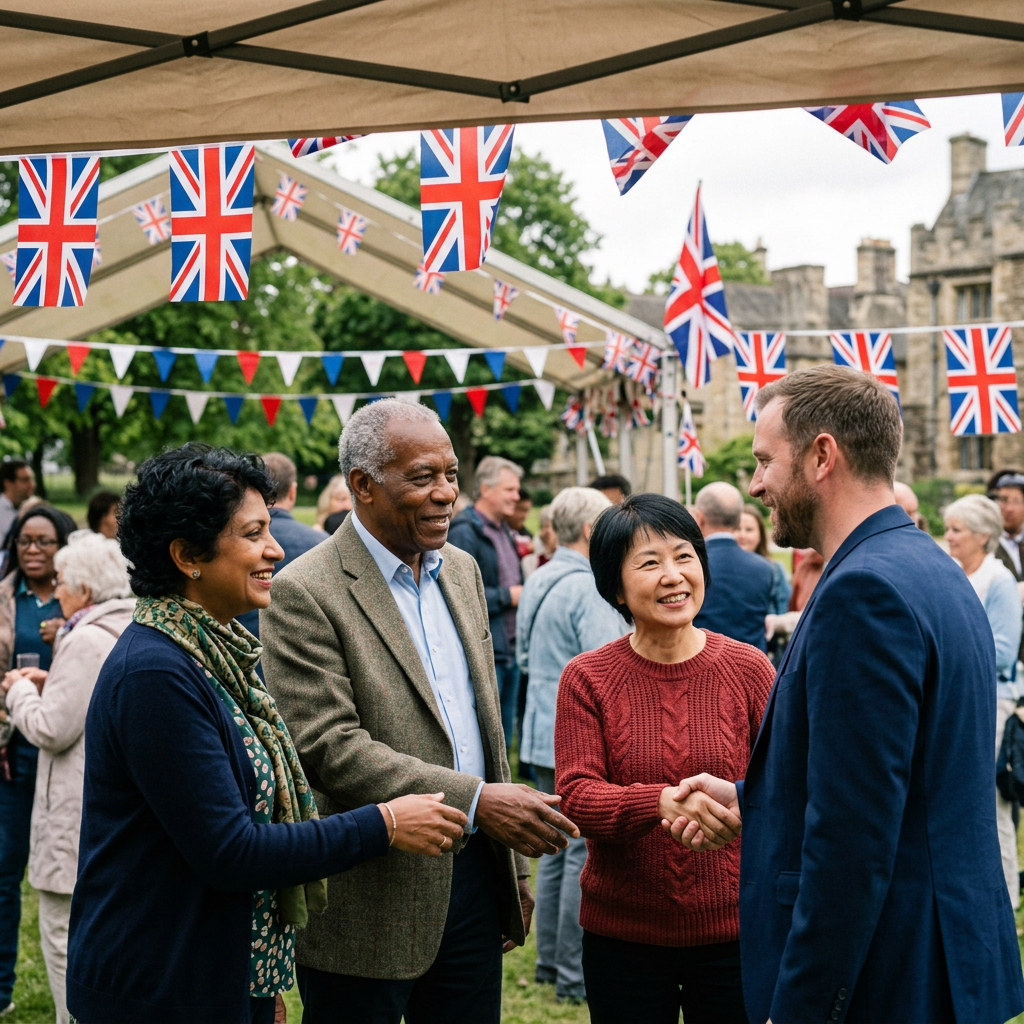
Thick Citizenship
Modern liberal democracies tend to treat citizenship as a thin, mostly administrative status — a passport, a legal identity, and a bundle of rights that can often be acquired with minimal integration. In my Civic Republicanism, citizenship is something deeper. It is a reciprocal civic relationship that unites political membership, social solidarity, and shared responsibility.…
-
A British Civic Republicanism – what would it look like?
Preamble I often write about Civic Republicanism in abstract terms — subsidiarity, competence, non‑domination, polycentric authority, civic guardianship — but abstractions can only take a reader so far. At some point, the most effective way to explain a constitutional philosophy is simply to illustrate the kind of institutional order it would produce. The constitutional framework…
-
From Ontology to Political Philosophy – a category error?
It is often said that relating ontology to political philosophy is a category error. Metaphysics deals with being; political theory deals with institutions, laws, and collective decision‑making. The two domains, it is argued, should not mix. But this objection only holds if political concepts are treated as pure abstractions. My argument is that nations are…
-
Introducing Civic Forum: A New Home for My Political Writing
For some time, my political reflections have lived under the heading Politics of Scale. It was a useful phrase, capturing my belief that political life only makes sense when it is rooted in the appropriate level of community, authority, and responsibility. But as my thinking has developed, and as I’ve clarified the tradition I stand…
-

Introducing the Cybernetic Mosaic: A Political Futurist Thought‑Experiment
In an age when political imagination feels exhausted, the Politics of Scale demands that we think again about how human beings organise themselves. The old binaries — centralisation versus localism, globalism versus nationalism, technocracy versus democracy — no longer map cleanly onto the world we actually inhabit. What we need is a political architecture capable…
-
The Logos Weave and the Principle of Trust: A Living Philosophy for Daily Life
When I began shaping the Logos Weave, I wasn’t trying to build a rigid ideology or a closed metaphysical system. I was looking for something far more practical: a worldview that could guide daily life — family rituals, personal ethics, career choices, finances, and political commitments — without becoming legalistic or brittle. A living philosophy…
-
The Shape of a People’s Care
How spiritual inheritance shapes a politics rooted in place, responsibility, and the common good My spirituality and my politics rise from the same ground. Both begin with the sense that we are born into a story older than ourselves — a civilisation shaped by hands now gone, a landscape tended by generations whose names we…

